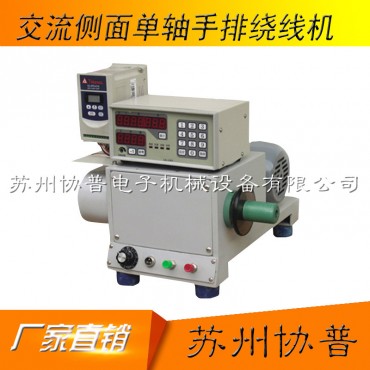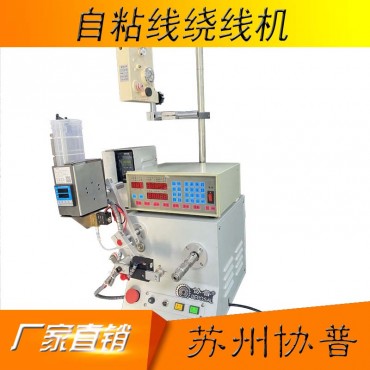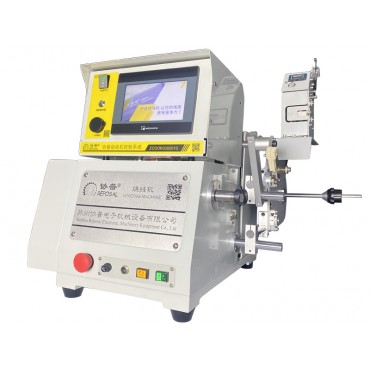

DC 200W front single axis manual winding machine SP-50A
- Brand: 协普/REPOSAL
- Product Code: Magnetic Tensioner
- Availability: In Stock
- Ex Tax: login to see prices
DC 200W front single axis manual winding machine SP-50A
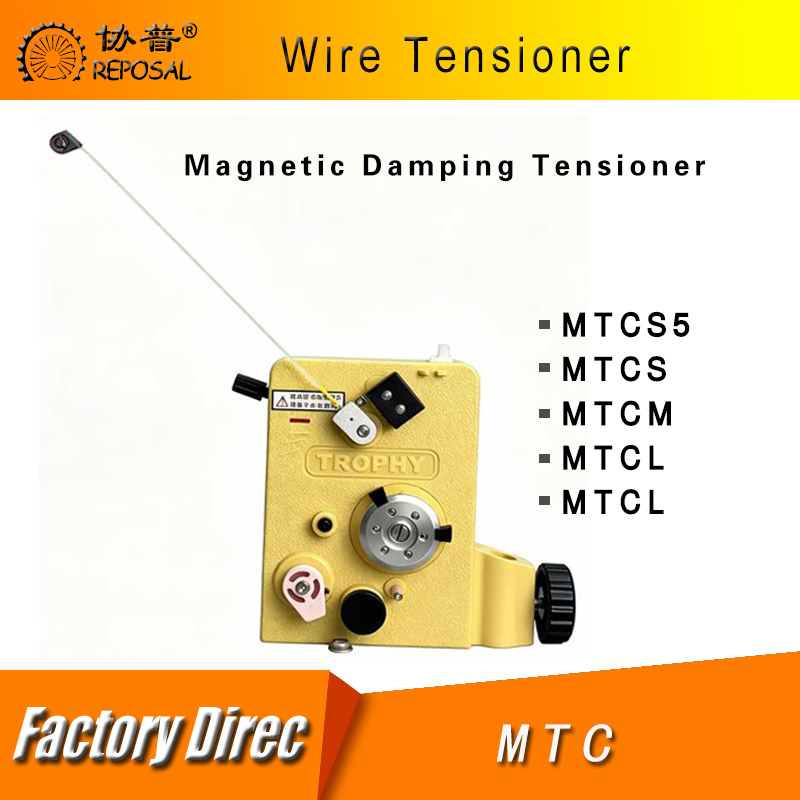
Product Specification and Model:
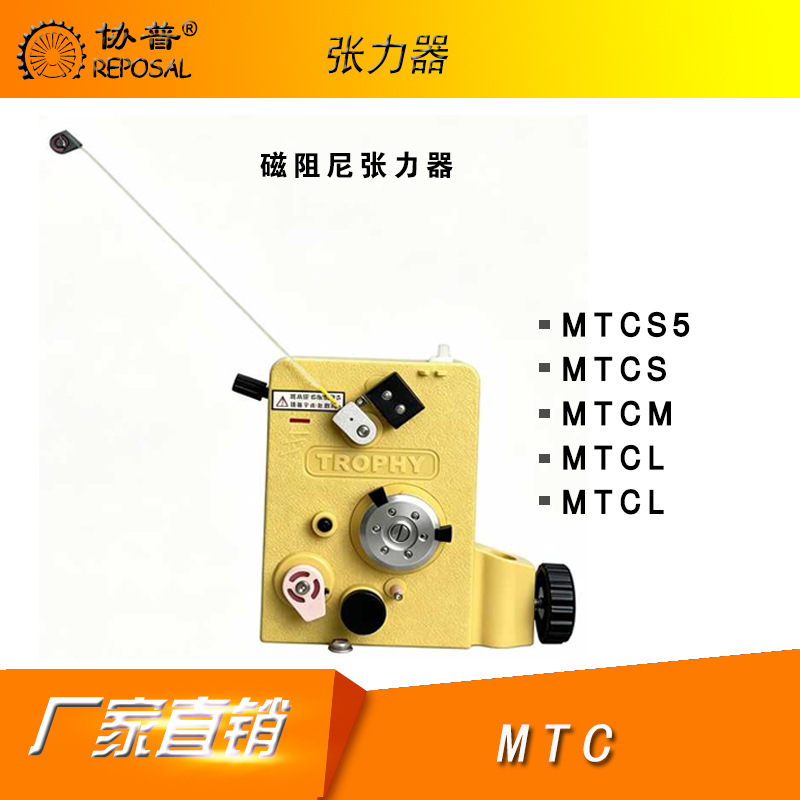
| TCL Tensioner | Specification | Tension Range | Wire Size | Dimension |
| Magnetic Damper Tensioner | MTCSS | 4-40 | 0.03-0.07 | 15*8.5*14.5 |
| MTCS | 10-120 | 0.04-0.14 | 15*8.5*14.5 | |
| MTCM | 50-400 | 0.08-0.25 | 15*8.5*14.5 | |
| MTCLL | 80-600 | 0.12-0.35 | 15*8.5*14.5 | |
| MTCLL | 100-800 | 0.14-0.40 | 15*8.5*14.5 |
Overview:
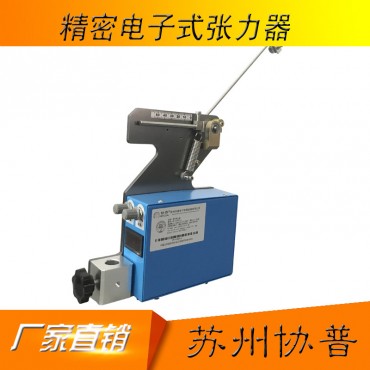
A tensioner (commonly known as a tension wire stand) is a key mechanism that generates adjustable tension during the winding process of a winding machine. It keeps the enameled wire under proper required tension throughout winding, so that the wound coils are appropriately tight, firm and full, ensuring consistent technical specifications of the coils.
The magnetic tensioner generates damping through magnetic torque without mechanical friction. Therefore, it can deliver stable tension over a long period with effectively guaranteed precision.
Notes:
1. The company reserves the right to modify relevant technical parameters without prior notice in case of changes.
2. Consult the company for any uncertainties regarding model selection.
3. Differences in technical parameters and warranty terms may occur when using enameled wire with a wax coating on the surface, self-twisting wire, self-fusing wire and other similar wires.
 - 副本 - 副本.png)
Tensioner Operating Environment Requirements:
Temperature requirement: -5℃~30℃. Humidity requirement: 30%~60%. Air purification requirement: Air cleanliness class 6 (Class 1000).
Enameled Wire Cleanliness Requirements:
Enameled wire shall be stored and used in a relatively clean environment. The enameled wire in use shall be clean with no dust on its surface. If waxed enameled wire must be used, the user shall install multi-stage filtering devices and frequently clean the wire passing areas. This prevents dust mixed with wax from adhering to the damping ring and causing malfunctions.
Tension Adjustment Procedures:
1. Thread the enameled wire through the tensioner following the routing specified on the product label.
2. Adjust the wool ring knob on the back of the tensioner to loosen the clamping force of the wool clamping ring. When using tension below 5g, the wool clamping ring must be fully loosened to generate only slight resistance.
3. Repeatedly adjust the tension adjustment dial and counter-tension knob according to the required tension, so that the output tension meets requirements and the working angle of the tension arm is appropriate.
! Note:
1. During operation, tension can only be increased from low to high and must not be reduced from high to low. If tension needs to be decreased from high to low, adjustment must be performed in the stopped state to prevent wire breakage.
2. If tension pulsation occurs during adjustment, first turn the tension adjusting dial clockwise to the maximum tension, then slowly turn it back to near the required tension and readjust.
3. After adjustment is completed and operation starts, if the working angle of the tension arm remains the same as its static angle upon installation, be sure to readjust the tension to avoid abnormal wear of each component of the tensioner and a reduction in service life.
4. If repeated tension adjustments do not work, please verify whether the selected model is correct or contact our company in a timely manner.
Warranty Statement:
1. Under normal use and without disassembly or repair by the customer, free warranty service is provided for three months starting from the date of purchase.
2. After the warranty period expires, paid repair services are available for the lifetime of the product.
3. Even within the free warranty period, the user shall bear the repair costs under the following circumstances:
a). Replacement of wearing parts: wool rings, guide ceramic parts, thread passing wheels, tension rods;
b). Damage caused by improper use or force majeure;
c). Unauthorized disassembly without permission from our company;
d). Damage resulting from use of an unsuitable model or operation beyond the applicable scope;
e). Other circumstances similar to the above.